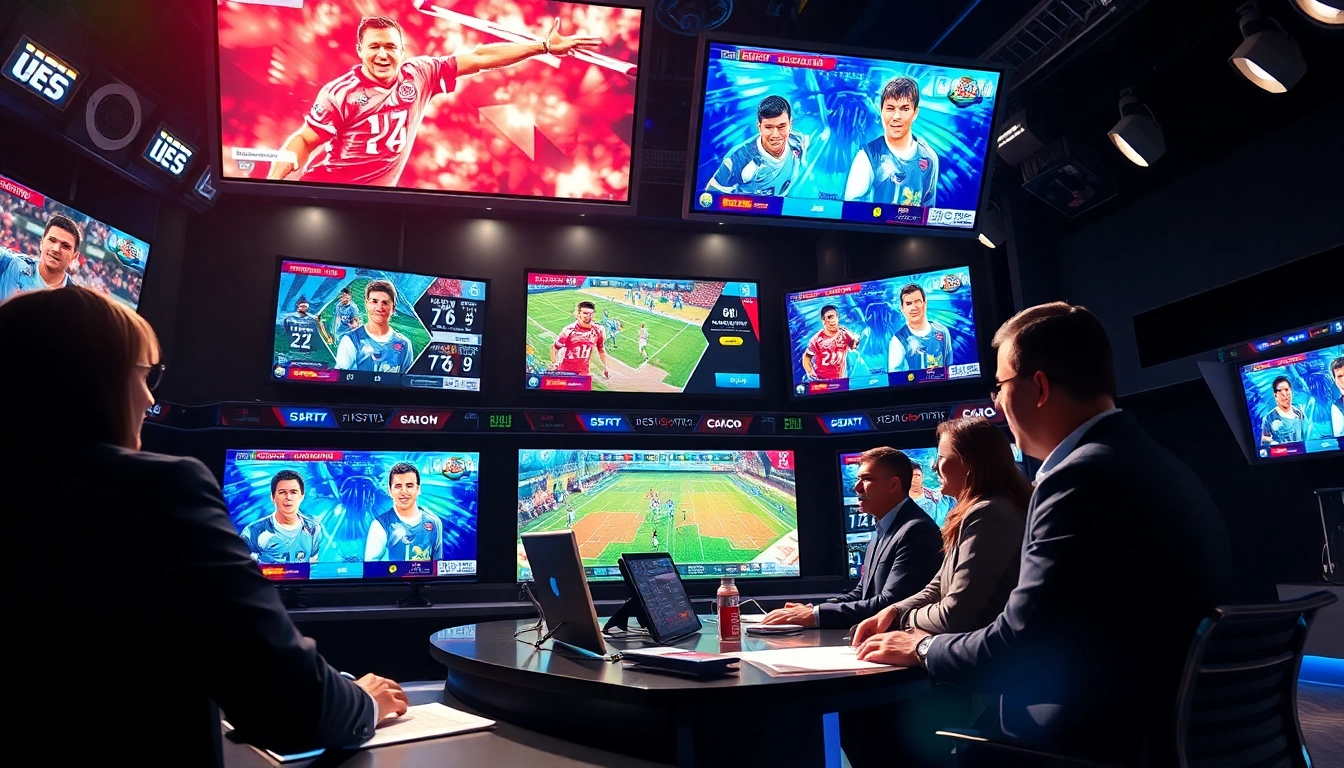
Understanding Sports Broadcasting Fundamentals
What is Sports Broadcasting?
Sports Broadcasting refers to the live coverage and analysis of sporting events through various media platforms such as television, radio, and online streaming channels. It encompasses a spectrum of activities including play-by-play commentary, expert analysis, interviews, and post-game discussions. This form of media serves not only to entertain avid sports fans but also plays a crucial role in shaping public perception of the events being showcased. With advancements in technology, Sports Broadcasting has evolved into a multifaceted industry that strives to provide a seamless viewing experience while adapting to changing viewer preferences.
The Role of Technology in Sports Broadcasting
Technology is at the heart of Sports Broadcasting, driving innovation and enhancing viewer experience. High-definition cameras, slow-motion replays, and drone footage provide immersive views of events that keep viewers at the edge of their seats. Additionally, advancements like cloud computing streamline production workflows, enabling faster data processing and content delivery. The integration of artificial intelligence adds analytical depth, helping broadcasters deliver real-time statistics and player performances. Furthermore, interactive features such as second-screen experiences allow fans to engage more deeply with the content, tailoring their viewing experience to individual preferences.
Key Players in the Industry
The Sports Broadcasting industry consists of a variety of key players, each playing a critical role in ensuring smooth operations. Broadcasters, both traditional and digital, act as the primary vendors delivering content to viewers. Production teams, including directors, cameramen, and sound engineers, ensure the quality execution of broadcasts. Additionally, league commissioners and governing bodies negotiate broadcasting rights that determine how and where events are aired. Sponsorship agreements further enhance the financial viability of broadcasts, as brands partner with broadcasters to get their names in front of viewership. Understanding these players helps grasp the complexities involved in the broadcasting ecosystem.
Common Challenges in Sports Broadcasting
Addressing Viewer Engagement
Viewer engagement remains a pivotal challenge in Sports Broadcasting. As audiences become increasingly sophisticated, they seek more interactive and personalized experiences. Broadcasters must innovate to capture attention—offering diverse commentary styles, behind-the-scenes access, and incorporating viewer feedback into broadcasts enhances engagement. Additionally, incorporating gamification elements within broadcasts can appeal to younger demographics, driving both viewership and retention. As digital platforms grow, fostering community through shared experiences on social media can also be instrumental in maintaining viewer interest.
Managing Live Broadcast Interruptions
Live sports events are prone to interruptions, whether due to weather conditions, technical glitches, or unexpected incidents. Effective crisis management strategies are essential in mitigating the impact of these disruptions. Ensure contingency plans are in place, including backup systems for equipment and communication protocols for teams. Creating engaging mid-broadcast content, such as expert interviews or interactive polls, can distract viewers from disruptions and keep them engaged. Practicing fluid transitions between segments also minimizes viewer drop-off during such occurrences.
Adapting to Rapid Technology Changes
The fast-paced advancement of technology presents both opportunities and challenges within Sports Broadcasting. Broadcasters must remain agile, consistently assessing new technologies that can enhance production value and viewer engagement. Training personnel on the latest tools and trends ensures teams can adapt swiftly. Additionally, strategic partnerships with tech companies can provide broadcasters access to cutting-edge solutions before they become mainstream, giving them a competitive edge.
Best Practices for Producing Quality Sports Content
Investing in Training and Development
Quality Sports Broadcasting begins with a knowledgeable team. Investing in ongoing training and professional development for staff at all levels—producers, analysts, and camera operators—ensures that they stay informed about industry trends and technological advancements. Workshops, seminars, online courses, and industry events provide platforms for learning and inspiration. Moreover, employing mentorship programs can help nurture new talent while improving overall production quality.
Utilizing Analytics for Audience Insights
Utilizing analytics effectively transforms how Sports Broadcasting entities understand their audiences. By tracking viewer behavior, broadcasters can identify trends, preferences, and areas for improvement. Implementing audience surveys and analyzing social media interactions provide qualitative data to complement quantitative metrics. These insights can inform content programming, promotional strategies, and audience engagement initiatives—ultimately leading to a more tailored and impactful viewer experience.
Maintaining Ethical Standards
Ethical considerations are paramount in Sports Broadcasting, influencing credibility and trustworthiness. Transparency regarding sponsorships, conflicts of interest, and data privacy must be prioritized to foster viewer trust. Upholding journalistic standards, particularly in reporting controversial topics or conflicts, is essential to maintain integrity. Ethically responsible broadcasting enhances brand reputation and bolsters long-term audience loyalty, contributing to the overall sustainability of the broadcasting entity.
Innovations Shaping the Future of Sports Broadcasting
The Impact of AI on Sports Analysis
Artificial Intelligence (AI) revolutionizes sports analysis by providing advanced data modeling, predictive analytics, and automated content generation. By processing vast amounts of data, AI can uncover insights about player performances, team strategies, and even predict game outcomes. Notably, AI-driven analytics tools enhance decision-making for coaches and players while enriching viewer experiences by offering deeper statistical analysis during broadcasts, keeping audiences informed and entertained.
Virtual and Augmented Reality in Broadcasting
Virtual Reality (VR) and Augmented Reality (AR) technologies are changing how viewers consume sports content. VR enables fans to experience events from unique vantage points, immersing them in the atmosphere of live games from their homes. Meanwhile, AR enhances traditional broadcasts by overlaying digital graphics and real-time stats onto screens, offering an interactive way to engage with the event. As technology matures, these innovations are likely to become more prevalent, offering richer viewing experiences that draw in new audiences.
Integrating Social Media for Engagement
Social media is an invaluable tool for engaging fans in Sports Broadcasting. Platforms like Twitter, Instagram, and TikTok serve as channels for real-time interaction during live events, allowing broadcasters to cultivate a sense of community among viewers. Creating shareable content, polls, and interactive features fosters two-way communication, enhancing viewer loyalty. By incorporating social media highlights into broadcasts, broadcasters can leverage audience-generated content while connecting with a broader audience.
Measuring Success in Sports Broadcasting
Key Performance Indicators to Track
Measuring the effectiveness of Sports Broadcasting relies on specific Key Performance Indicators (KPIs). Metrics such as viewership ratings, audience demographics, and engagement rates are critical in assessing the impact of broadcasts. Tracking social media interactions, such as shares and comments, provides additional insights into viewer sentiment. These KPIs offer a comprehensive view of broadcast performance and highlight areas for growth, ultimately guiding future content strategies.
Feedback Loops: Gathering Viewer Opinions
Feedback loops are essential for understanding audience perceptions in Sports Broadcasting. Utilizing surveys, focus groups, and engage with fans on social media provides invaluable insights into viewer preferences and satisfaction. Regularly updating content based on feedback ensures that broadcasts resonate with audiences. Additionally, incentivizing viewer feedback through contests or exclusive content can significantly enhance participation and drive engagement.
Adapting Strategies Based on Performance Metrics
Adapting strategies in response to performance metrics is crucial for ongoing success in Sports Broadcasting. Regular assessments of KPI performance should guide content adjustments, promotional initiatives, and viewer engagement methods. Moreover, being proactive in implementing changes based on analytics—like adjusting programming based on viewer behavior—can lead to improved reach, retention, and satisfaction. This adaptability plays a vital role in sustaining audience interest and ensuring long-term viability.
Frequently Asked Questions
What is the definition of sports broadcasting?
Sports broadcasting refers to the live coverage and analysis of sporting events through various media platforms, including television, radio, and online streaming channels.
How does technology impact sports broadcasting?
Technology enhances the viewing experience in sports broadcasting by offering advanced graphics, instant replays, and real-time statistics, making broadcasts more engaging and informative.
What are the common challenges faced in sports broadcasting?
Common challenges include maintaining viewer engagement, managing live disruptions, and adapting to fast-evolving technology while meeting audience expectations.
How can sports broadcasters improve audience engagement?
Improving audience engagement can be achieved through interactive content, social media integration, and viewing analytics to tailor programming to viewer preferences.
What metrics are important to measure in sports broadcasting?
Key metrics include viewership ratings, audience retention rates, social media interactions, and feedback surveys to assess the impact and effectiveness of broadcasts.